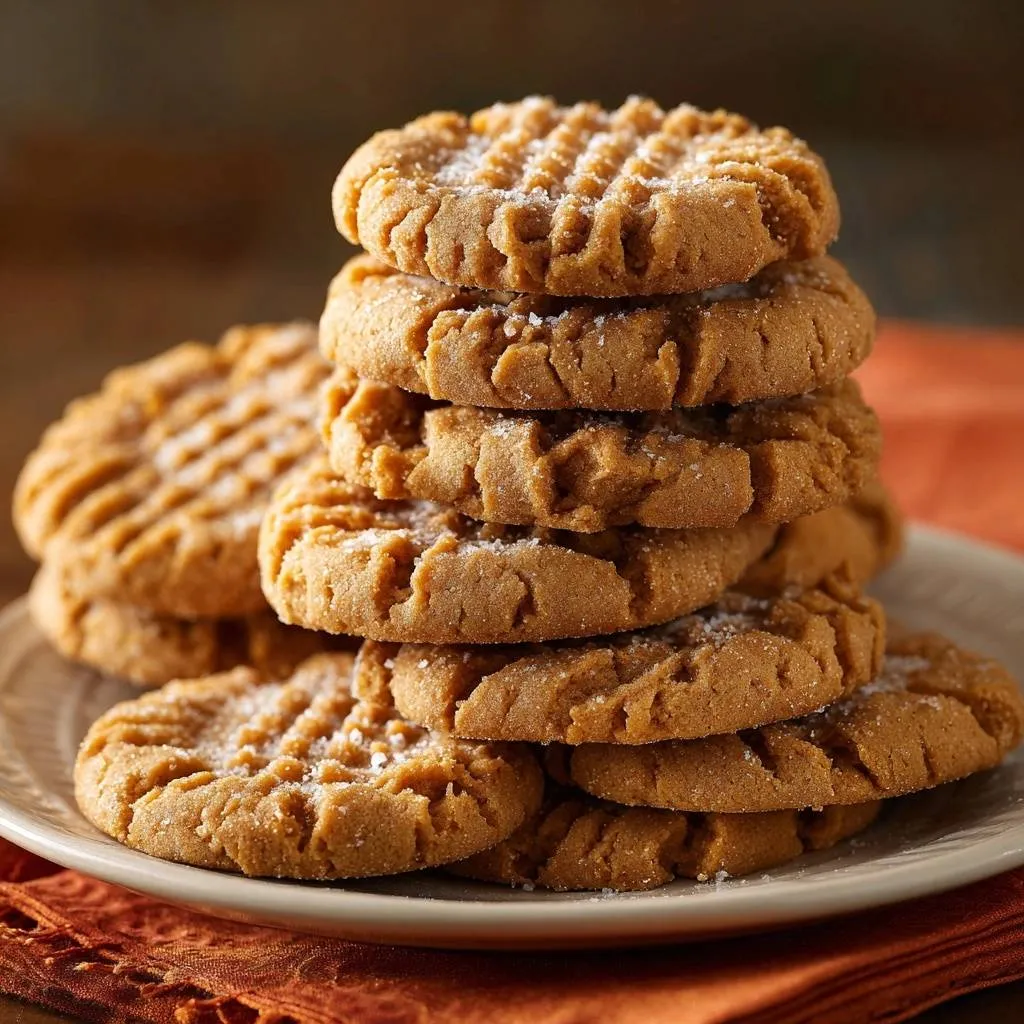
The Secret to Crisscross Perfection: Why Chilling Dough Makes Better Peanut Butter Cookies
There's a universally cherished memory associated with the perfect peanut butter cookie: that rich, nutty aroma filling the kitchen, the iconic crisscross pattern, and that first bite into a cookie that's at once soft, chewy, and slightly crispy around the edges. It's the taste of nostalgia, often reminding us of Grandma's kitchen or simpler times. While many The Best Classic Peanut Butter Cookies: Soft, Chewy & Crispy recipes promise this experience, there's one often-overlooked step that truly elevates your homemade treats from good to absolutely unforgettable: chilling the dough.
Far from just a time-consuming formality, refrigerating your peanut butter cookie dough is a baker's secret weapon, transforming simple ingredients into a deeply flavorful, texturally superior masterpiece. Let's delve into why this crucial step, combined with a few other expert tips, will revolutionize your next batch of homemade cookies and guarantee that classic, irresistible appeal.
The Timeless Appeal of a Classic Peanut Butter Cookie
What makes a peanut butter cookie truly special? It's a symphony of elements that create an unparalleled experience. First, there's the Easy Peanut Butter Cookies: Max Flavor & Pantry Staples. It should be intense and authentic, permeating every bite without being overwhelming. Then, there's the texture: a delicate balance of a pillowy-soft center contrasting beautifully with slightly crisp, crumbly edges. This duality is what separates a truly great cookie from a merely acceptable one.
And, of course, no discussion of classic peanut butter cookies is complete without mentioning the distinctive crisscross pattern. Traditionally made with a fork, this simple decoration isn't just for show; it gently flattens the dough, encouraging even baking and contributing to that ideal texture. These elements combined make the peanut butter cookie a timeless staple, cherished in lunchboxes, cookie jars, and holiday platters for generations.
Unpacking the Pantry: Essential Ingredients for PB Perfection
Achieving that classic peanut butter cookie perfection starts with understanding the role of each ingredient in your peanut butter cookies recipe. While simple, the quality and preparation of these staples make all the difference:
- Peanut Butter: Opt for creamy peanut butter for a smoother dough and consistent texture. While natural peanut butter can be used, its oil separation might require more careful mixing and could alter the cookie's spread. Your favorite shelf-stable brand will yield consistent results.
- Unsalted Butter: Using unsalted butter allows you to precisely control the sodium content in your cookies. Crucially, ensure it's softened, ideally left on the counter overnight. This creamable texture is vital for properly incorporating air when mixed with sugars, leading to a lighter, fluffier dough.
- All-Purpose Flour: A high-quality all-purpose flour provides the structural backbone of your cookies. Brands like Bob's Red Mill or King Arthur Flour are excellent choices, known for their consistency and performance.
- Granulated Sugar and Brown Sugar: This dynamic duo is key to both flavor and texture. Granulated sugar contributes to crispiness and spread, while brown sugar, with its molasses content, adds moisture, chewiness, and a deeper, caramel-like flavor that beautifully complements the peanut butter.
- Eggs: Eggs serve multiple critical functions: they act as a binder, holding the dough together, and contribute to the cookie's tenderness and richness. They also aid in emulsification, ensuring a smooth, well-mixed dough.
- Vanilla Extract: Don't skimp on quality here! A good vanilla extract deepens the overall flavor profile, adding a warm, aromatic complexity that enhances the peanut butter without overpowering it.
- Baking Powder & Baking Soda: These leavening agents work in tandem to give your cookies their characteristic lift and tender crumb. Baking soda reacts with the acidic brown sugar and peanut butter to create a soft, slightly chewy texture, while baking powder contributes to overall lightness.
- Salt: Often overlooked, salt is a flavor enhancer in baking. It balances the sweetness, making the peanut butter flavor truly pop and preventing the cookies from tasting one-dimensional.
The Science of Chill: Why Refrigerating Dough is a Game-Changer
This is where the magic truly happens, transforming a good peanut butter cookie recipe into an extraordinary one. Refrigerating your cookie dough for a minimum of two hours (and up to 2-3 days!) offers several profound benefits:
- Flour Hydration: When you mix dry ingredients with wet ones, the flour particles begin to absorb moisture. Chilling allows the flour ample time to fully hydrate, leading to a more evenly moist and tender cookie. This prevents the flour from greedily sucking up moisture during baking, which can result in dry, crumbly cookies.
- Fat Solidification: Butter, the primary fat in your dough, softens during mixing. Refrigeration causes the butter to firm up again. This firm butter melts more slowly in the oven, meaning the cookies spread less dramatically. The slower spread allows the edges to set and crisp up, while the center remains soft and chewy, creating that perfect texture contrast. Without chilling, the butter melts too quickly, leading to flat, greasy, and overly crispy cookies.
- Flavor Concentration: As the dough chills, the ingredients have time to mingle and meld. The flavors, particularly the rich peanut butter and sweet sugars, become more concentrated and pronounced. This "marination" process deepens the overall taste, giving your cookies a more robust and complex flavor profile. Think of it like a stew or chili – it always tastes better the next day!
- Enhanced Chewiness: The controlled spread and proper hydration facilitated by chilling contribute directly to a chewier cookie. The internal structure develops more evenly, resulting in that delightful resistance when you bite into it.
- Easier Handling: Chilled dough is less sticky and much easier to scoop and roll. This means less mess and more uniform cookies, which bake more consistently. For a comprehensive guide to mastering the classic, soft, chewy, and crispy peanut butter cookie, check out The Best Classic Peanut Butter Cookies: Soft, Chewy & Crispy.
While the recipe calls for a minimum of 2 hours, don't hesitate to chill your dough longer. You can even make the dough a day or two in advance, storing it covered in the refrigerator (or even freezing it for longer storage). This makes holiday baking or last-minute cravings much easier to satisfy!
Crafting Crisscross Perfection: Beyond the Chill
Once your dough is perfectly chilled, the journey to crisscross perfection continues with a few simple, yet crucial, steps:
- Make the Dough: In a large mixing bowl, cream together the softened butter, creamy peanut butter, granulated sugar, and brown sugar until light and fluffy. This aeration is key for a tender crumb. Beat in the eggs one at a time, followed by the vanilla extract. Gradually incorporate the all-purpose flour, baking powder, baking soda, and salt, mixing just until combined. Be sure to scrape down the sides and bottom of the bowl to ensure everything is thoroughly mixed.
- Refrigerate the Dough: Cover the bowl tightly with plastic wrap or transfer the dough into a large zip-style freezer bag. Refrigerate for a minimum of 2 hours. This is your non-negotiable step for superior texture and flavor!
- Scoop and Roll: Once chilled, use a small cookie scoop or a tablespoon to portion out uniform balls of dough. Consistency in size is important for even baking.
- Sugar Coating: Roll each dough ball in granulated sugar. This outer sugar layer not only adds a lovely sparkle and extra crunch to the edges but also helps prevent the fork (or masher) from sticking.
- The Crisscross Pattern: Place the sugared dough balls evenly onto baking sheets lined with parchment paper. Now for the iconic crisscross! Traditionally, this is done by gently pressing a fork down, then rotating 90 degrees and pressing again. For a unique twist and an even crispier outer layer with a soft, chewy center, consider using a potato masher or even the raised side of a meat mallet for a distinct, raised pattern. If needed, gently reshape the cookies with your fingers after making the marks.
- Bake: Preheat your oven to 375°F (190°C). Bake the cookies for 15-17 minutes, or until the edges are lightly golden and set, but the centers still look slightly soft. Remember, cookies continue to cook slightly after they come out of the oven. Overbaking will lead to dry cookies.
If you're looking for an incredibly simple yet flavorful approach, our Easy Peanut Butter Cookies: Max Flavor & Pantry Staples article offers fantastic insights into maximizing taste with minimal fuss.
The Final Word on Crisscross Perfection
Embracing the simple act of chilling your peanut butter cookie dough is more than just a step in a recipe; it's a commitment to superior flavor and texture. This technique, combined with quality ingredients and a little care in shaping, guarantees a batch of cookies that are deeply satisfying, wonderfully chewy, and perfectly crispy – truly like Grandma used to make. So next time you crave that classic peanut butter delight, remember the magic of the chill, and prepare for a cookie experience that's nothing short of perfection.
